

2022 Weekly Photo Challenge
Week 4: Wide Open Aperture
Welcome to a new year of weekly photography challenges! For the month of January, our first few weekly challenges will focus on somewhat more technical aspects of controlling your camera.
For the last two weeks, we’ve looked at your camera’s shutter speed, experimenting with what’s possible when either slowing down or speeding up the shutter. Next, we’re going to start working with another side of the traditional exposure triangle, aperture. Aperture refers to the size of the opening that lets light into the camera whenever the shutter is open. It’s indicated in most cameras by a funky fraction with the letter f over a number, such as f/8, f/3.5, or f/2. Your camera and the lens it uses will determine which “f-stops” are available for you to choose from. The main thing to remember when thinking about aperture is the smaller the f-stop number, the wider the opening into your camera.
This week, we’re going to pay special attention to the smaller numbers in your aperture/f-stop scale, or aperture settings of f/4.5, f/4, f/3.5, or f/2. This means you’ll be using as wide-open an aperture as possible.

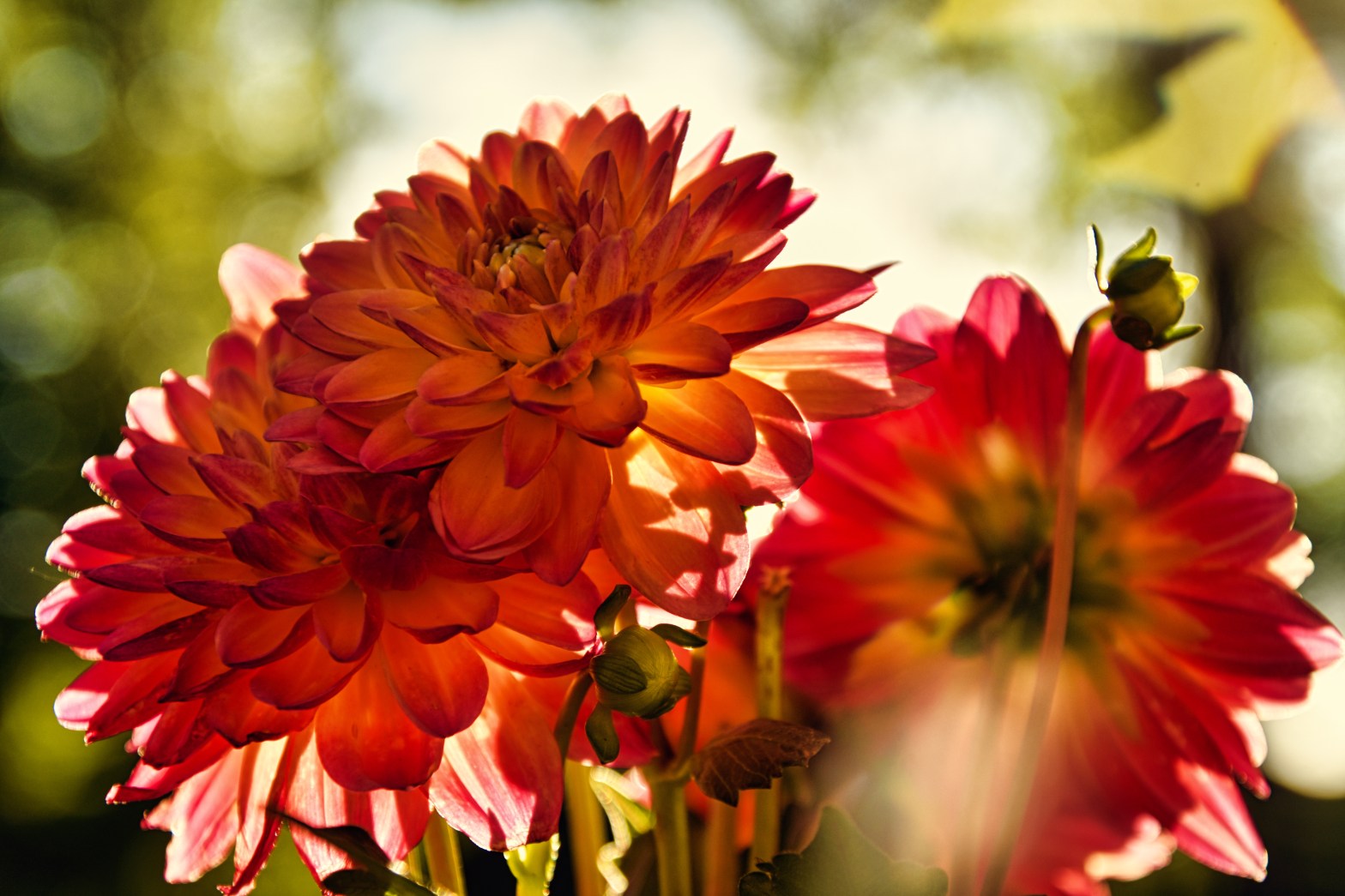
55mm focal length, ISO 100, and f/4.5 aperture
When you use a wide aperture, two things happen. First, the wider opening lets in more light to expose your images. This means a wide aperture can be useful for managing exposure in low-light settings, or perhaps when you want to create an overall brighter image. (but be careful, it’s easy to cross the line from “brighter” to simply “over-exposed” if you don’t keep shutter speed and ISO in mind at the same time!)

The second thing that happens with a wide aperture is that your depth of field, or depth of focus, shrinks. This means the area or range in front of your lens where objects will appear sharp & in focus narrows, creating the opportunity for more out-of-focus blur in your image. At first this might sound like a bad thing, but it can actually be a very useful tool in your photography arsenal.
In the first sample image this week, you can see the an example of “bokeh,” the intentionally out-of-focus effect that a wide aperture can create in your images. This is particularly common in portrait photography.
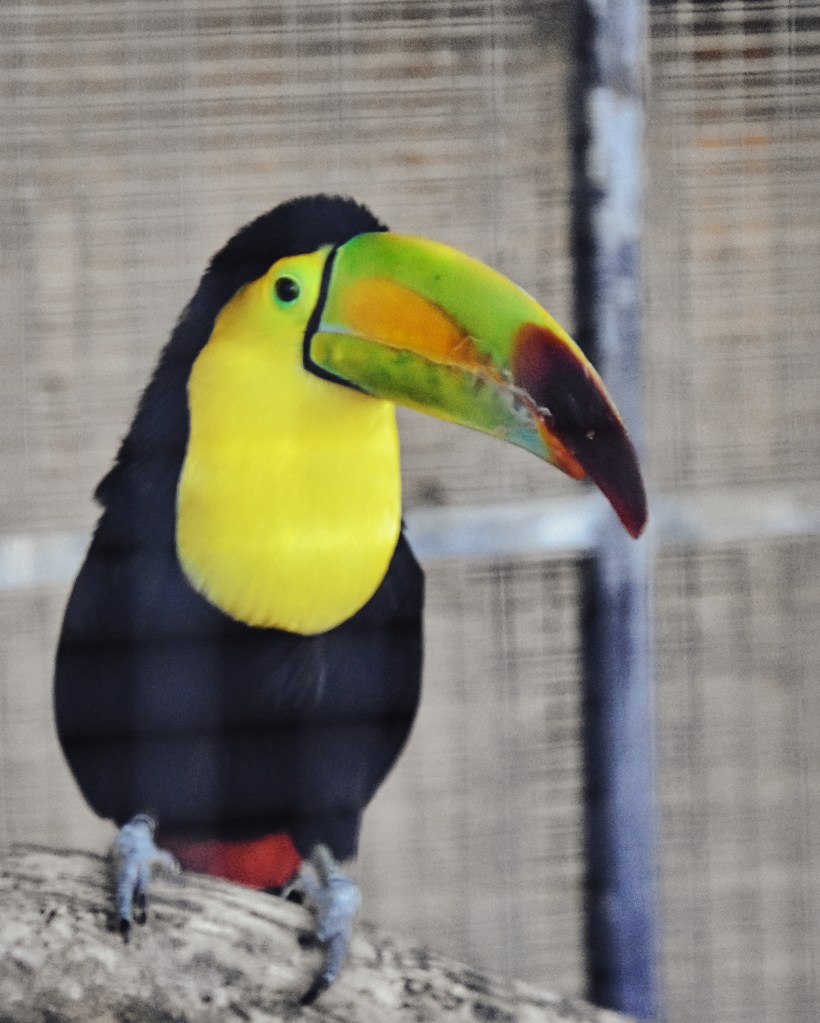
At the other end of the focus range, a shallow depth of field putting some image elements out of focus can be helpful in other ways. Have you ever tried taking pictures of animals at the zoo? The cages and glass windows can make it a frustrating task, to say the least. In this week’s final sample image, you can clearly see the bird was in a cage, but with careful focusing (on the bird) and a relatively shallow depth of field (achieved with a modest f/5.6 aperture) the cage wires in front of the bird almost start to disappear!
 Eric Culver Photography