2022 Week 8: Weather

2022 Weekly Photo Challenge

Week 8: Weather

I don’t know what the weather has been like where you are, but here in South Dakota, we’ve been pretty chilly for the past few months. We’ve had a few stretches of blue skies since Christmas, but even when the sun comes out, it’s been pretty dang cold. We had a decent snowstorm back in mid-December and now, just about two months later, most of the snow from that “weather event” has finally melted off…just in time for another significant snowstorm to loom on the horizon for later this week!
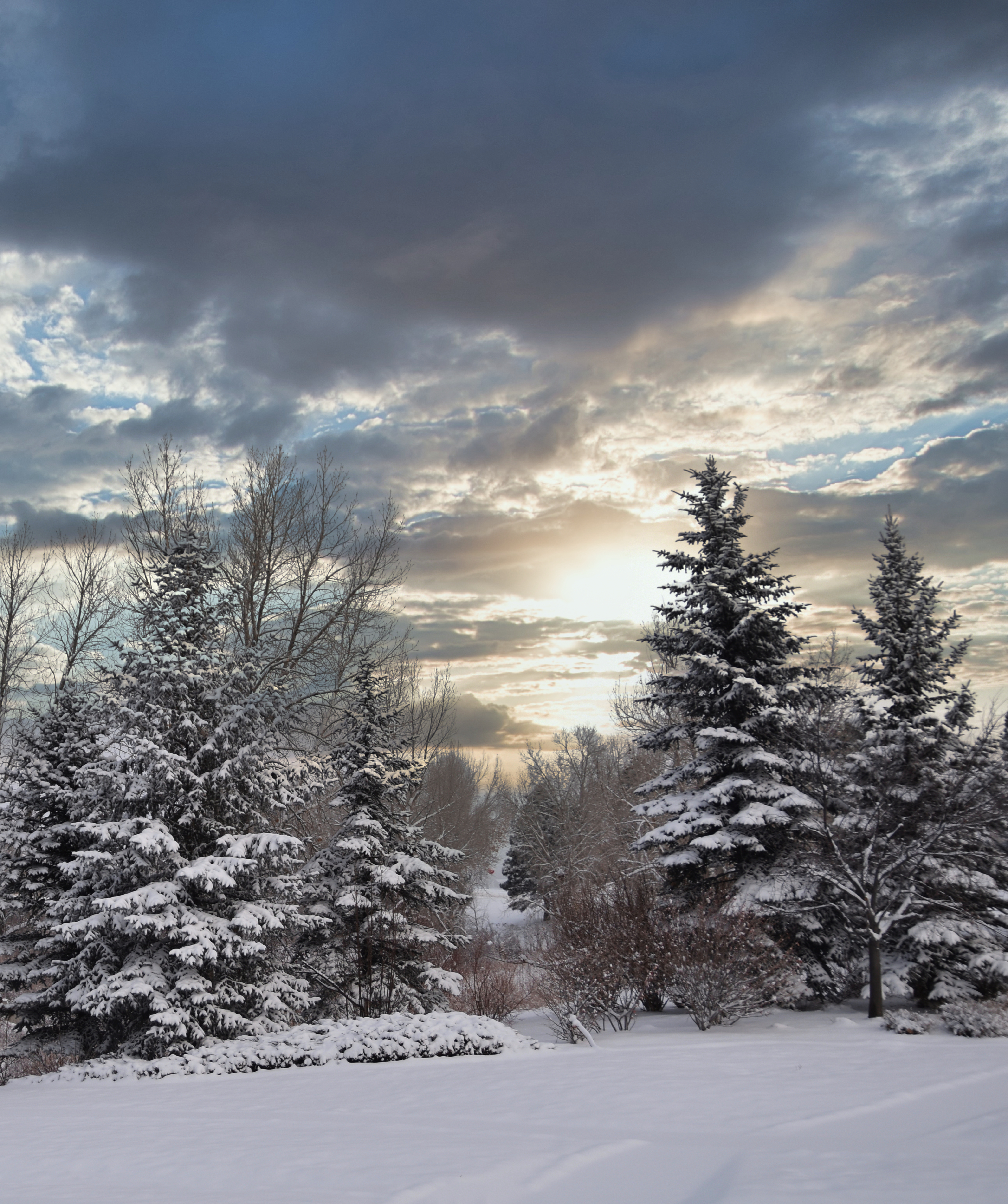
Sunrise After the Snow

Many people grumble and grouse about cold weather, gray skies, and water in various forms falling from the sky. But for a photographer, “bad” weather can be a true gift. Clouds can add texture to an otherwise monotonous sky. Sunrise and sunset are so much more interesting when clouds come into play. Rain and snow can give new life to an ordinary winter landscape. And even when the sky is just gray and overcast, that can make for some really nice diffused lighting with no extra studio equipment needed!

But your challenge this week is not simply to take a picture that takes advantage of the weather. Instead, I want you to watch the weather this week, and try to create an image that has the weather as its main subject, or one that really conveys the idea of the weather to your viewer.
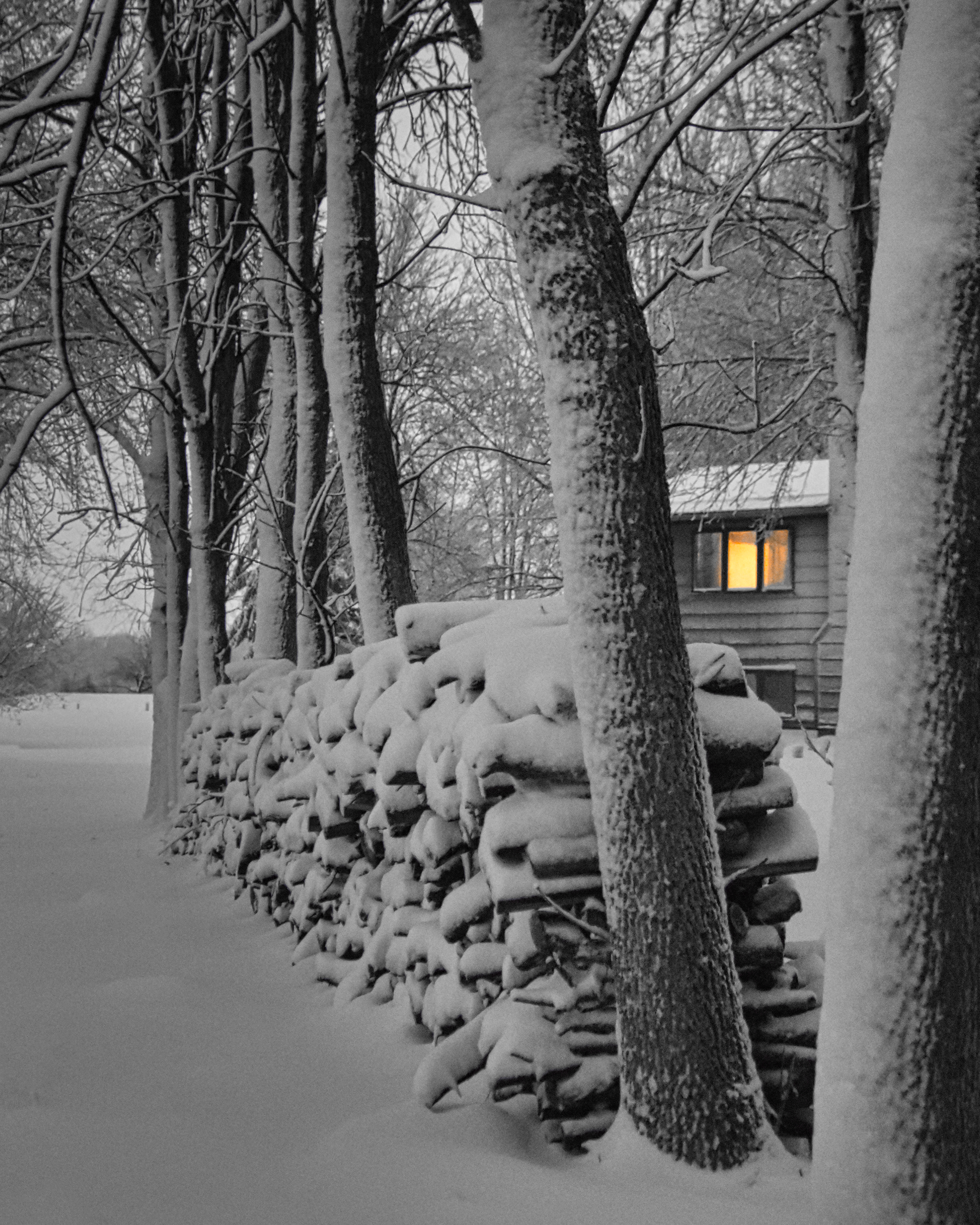
Woodpile in Winter

Now, you might be tempted to check the weather forecast and look for a day when it’s supposed to rain or snow so you can snap a quick shot as it falls. But be forewarned, this can be harder than you might think. Your brain is a lot better at “seeing” precipitation than your camera. Most cameras will struggle to show even a torrential downpour, because an individual raindrop or snowflake is too fast-moving, too small, and too insubstantial for the camera’s sensor to capture. Besides, what are you going to do if doesn’t rain or snow? It’s pretty hard to take a picture of sunlight, right?

Instead, you might want to consider creating an image that shows the effects of the weather. Like the image above of the snow-covered firewood, this image of a tree covered in frozen fog leaves little question that you’re looking at a cold winter night.
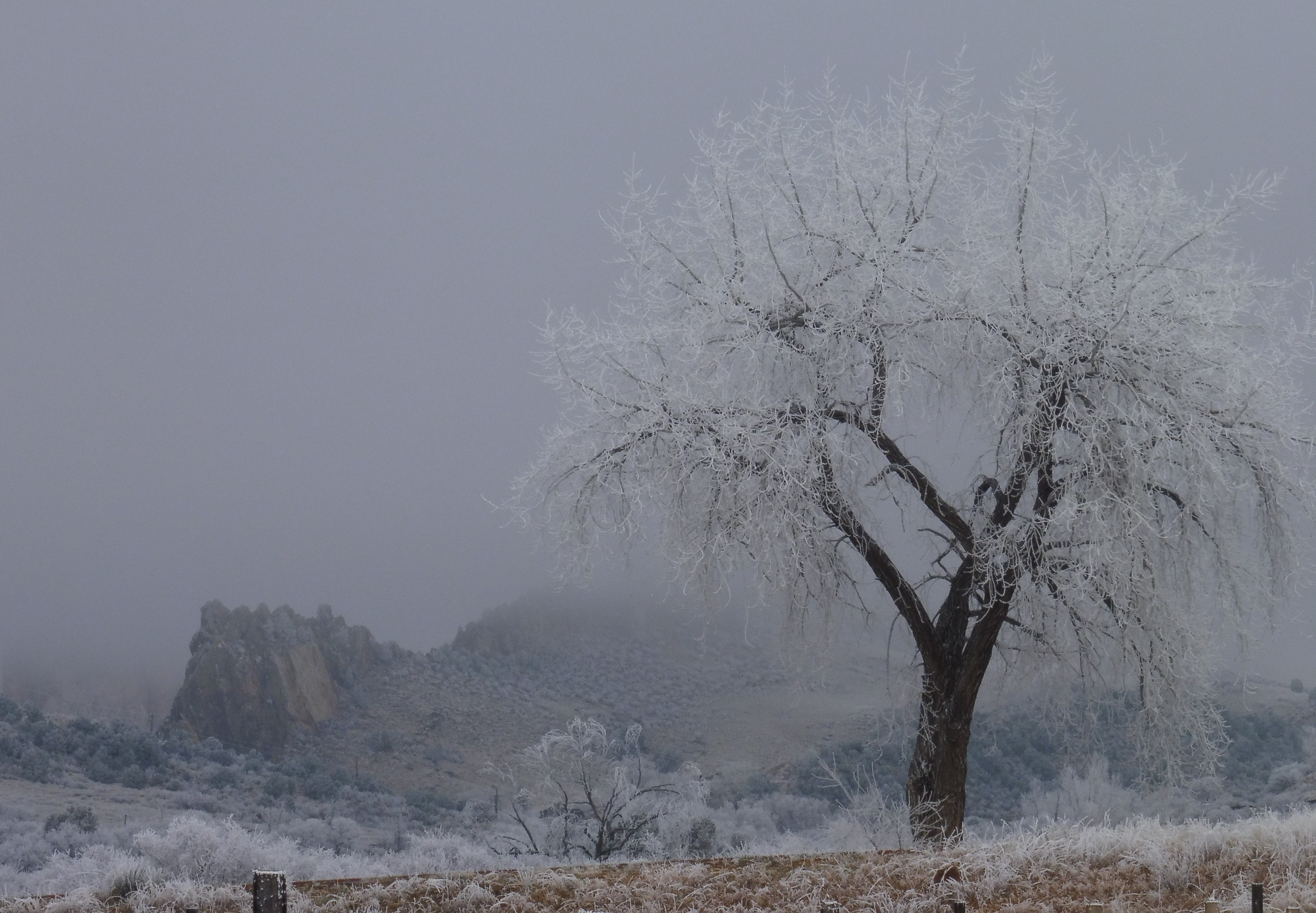
Freezing Fog

Of course, cold & wet aren’t the only kinds of weather! You might get lucky this week and be somewhere with bright sun, warm temperatures, and just the right about of breeze for spending an afternoon in a hammock!
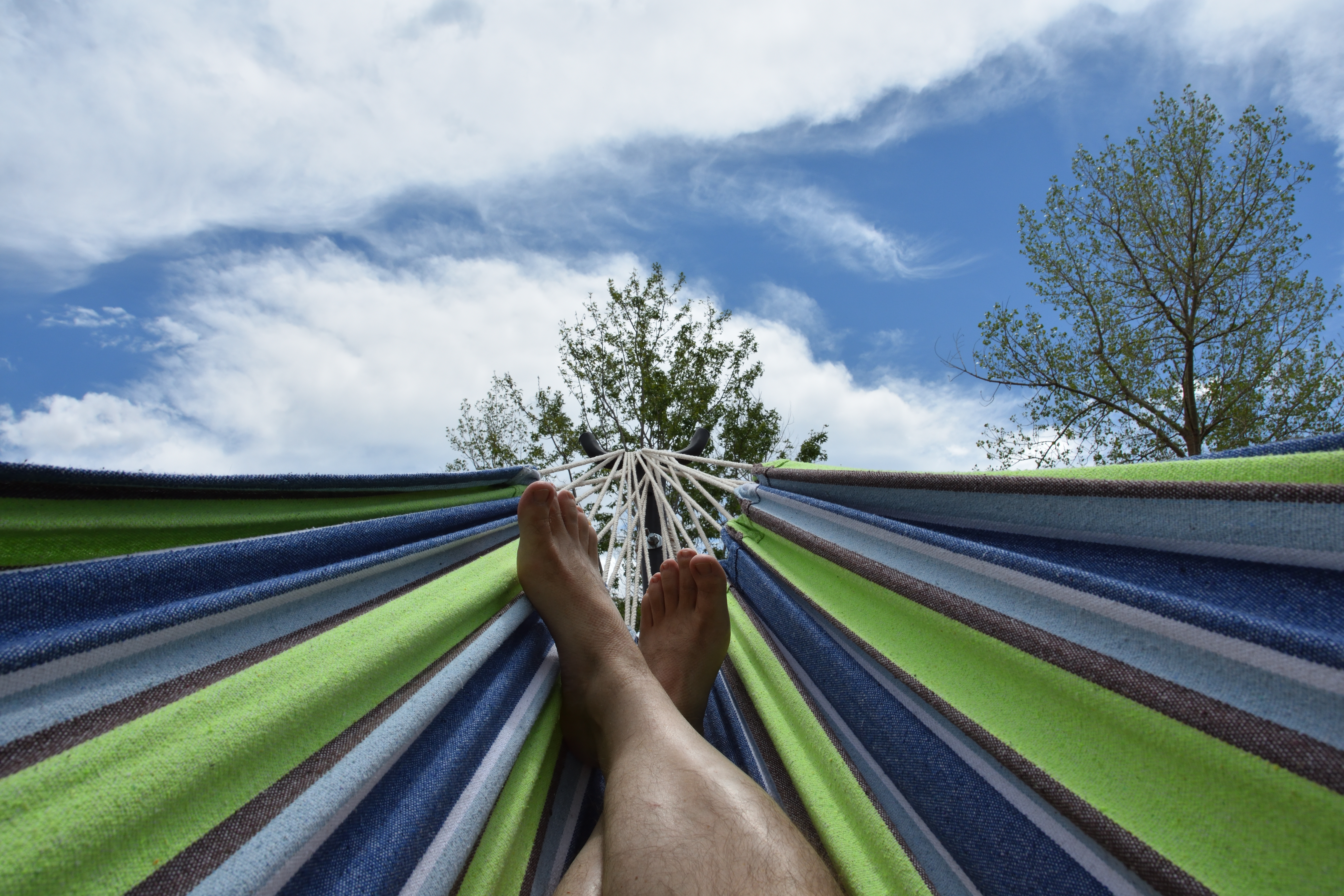
Definitely not February in Sioux Falls!

So the questions for you now are: a.) What’s in your 7-day weather forecast? and b.) How do you plan to capture & convey that weather?
2022 Week 7: Knick-Knacks

2022 Weekly Photo Challenge

Week 7: Knick-Knacks

This week kicks off with a little story…

So one Tuesday afternoon, a frog walks into the local bank to take out a loan. He walks up to the bank teller, Ms. Patricia Whack.

The frog sees her nametag and says, “Good afternoon, Ms. Whack. I would like to take out a loan today.”

Understandably, Ms. Whack is thrown off because, you know, usually humans are the ones who take out loans, not frogs. So she says, “Umm…This is peculiar, but, you know what, you’re a talking frog, so let’s see what we can do. But please, call me ‘Patty,’ everyone else here does. Now, if you want a loan, you must really be something. So, tell me about yourself. What’s your name? What’s your background?”

The frog responds, “Well, Patty, my name is Jerry and actually, you probably won’t believe this, but my father is Mick Jagger.”

And Ms. Whack says, “Oh! Well I guess he’s kind of got a froggy face, so it makes sense that would, like, carry over to you. Maybe he’s a frog himself.”

The frog interrupts her and says, “Oh no. Please don’t say that about my dad. That’s not a nice thing to say about him.”

And then Ms. Whack says, ‘I’m so sorry. Well, let’s see. Do you have some form of collateral for this loan?”

So Jerry takes out a little shiny pink porcelain elephant, and he says, “Hey, you know, this is kind of ironic. Elephants are usually larger than frogs, but here I am with like a really tiny elephant in my flippers.”

Ms. Whack examines the miniature elephant for a moment and says, “Well, this isn’t exactly what we normally look for as collateral…but let me take it and speak with my manager in the back.” So she goes to the bank office and she says to the manager, “You know, I’ve got this frog up front who says he’s Mick Jagger’s son, and he wants to take out a loan. But all he has for collateral is this little pink porcelain elephant. Do you know anything about this thing? Is it valuable at all?”

And the manager says to her, “Why, that’s a knick-knack, Patty Whack. Give the frog a loan. His old man is a Rolling Stone.”

Ba-dum, tss!

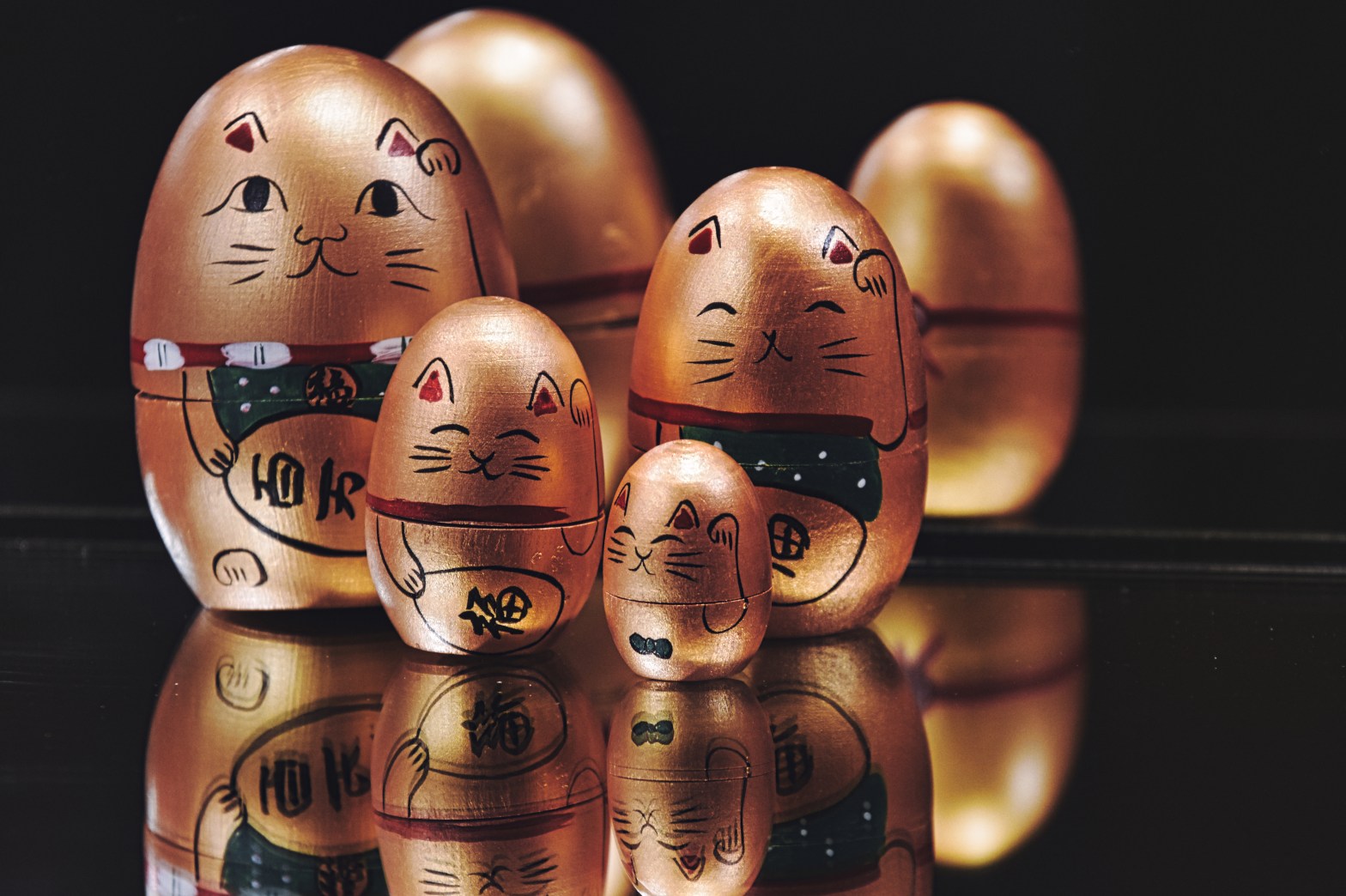
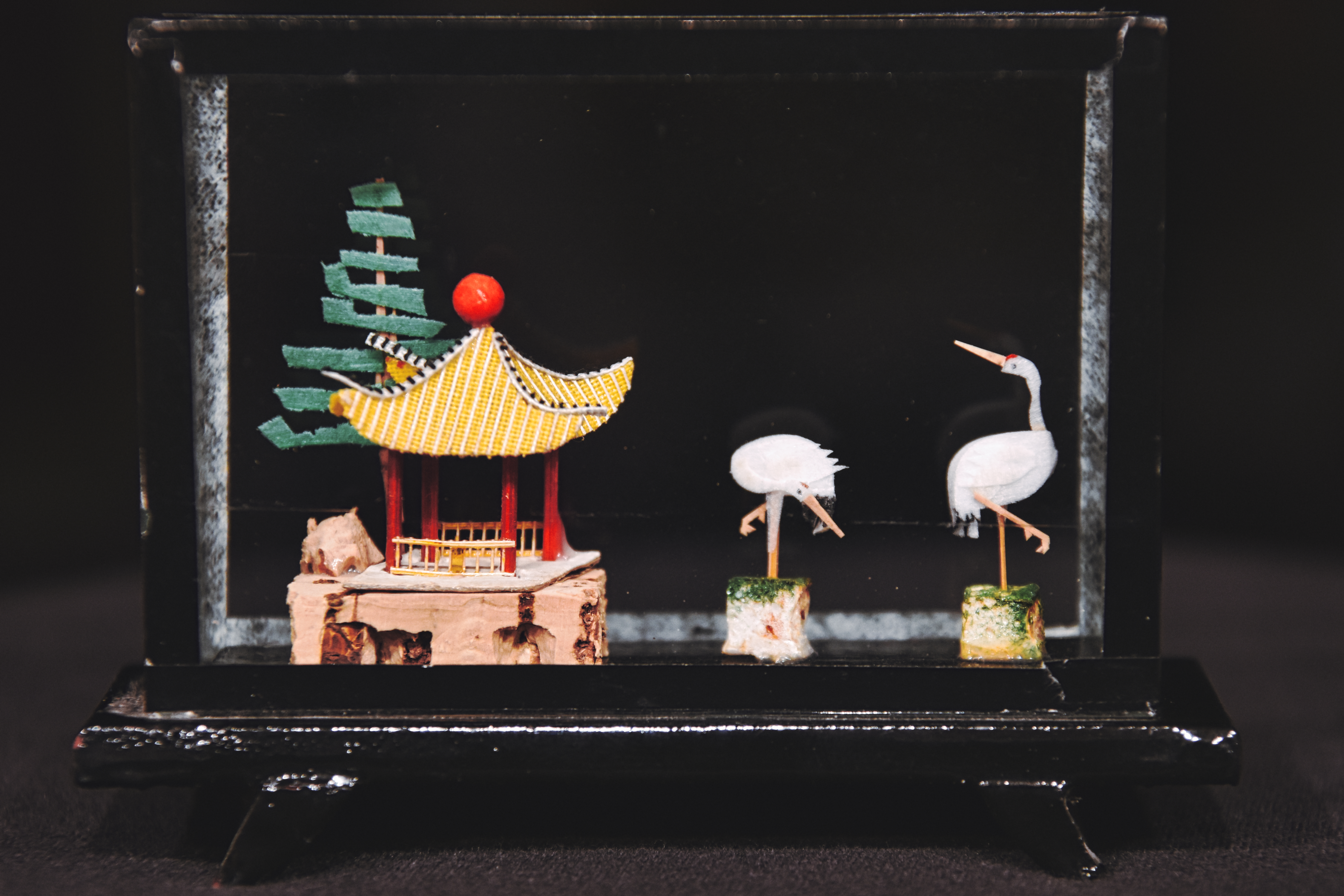
Okay, if you’re still reading after all that, we should probably turn this to photography. Chances are, like Jerry Jagger, you’ve probably got at least a couple silly little trinkets or tchotchkes sitting on a shelf somewhere around the house. So this week I want you to create an image of a knick-knack.

But don’t just pull out your phone and snap a quick pic of your knick-knack. Spend a little time considering the shapes, colors and textures that define your knick-knack. Is there something there that might make for a more interesting image if you emphasize a certain aspect of the item? What about taking your knick-knack down from its usual perch and staging it elsewhere in the house?

So your challenge this week is to produce a creative, engaging, or dramatic photo of a knick-knack, an otherwise normal object you see every day.

2022 Week 6: Black & White

2022 Weekly Photo Challenge

Week 6: Black & White

We’ve spent the past few weeks looking at some of the core controls and adjustments you can make with your camera to affect your images. For the next several weeks, we’ll examine somewhat more artistic ideas, starting this week with creating a black & white photo.

At first, this might seem like a very simple task. After all, most cameras today have an option to shoot in black & white, and if yours doesn’t, there’s no shortage of editing/filter apps that will convert any photo from color to black & white.

But there’s so much more to black & white photography than just clicking a filter & calling it done!

Whether you choose to shoot in black & white or convert with a “post-processing” editing approach, your final image is almost guaranteed to turn out at least 2.76 times better if you think about your subject in black & white from the beginning.

Because black & white images lack color information, concepts like light, shadow, and contrast become very important, and can elevate your images from Before you click the shutter button, consider some of the following questions:

Does my composition include areas of contrasting colors?

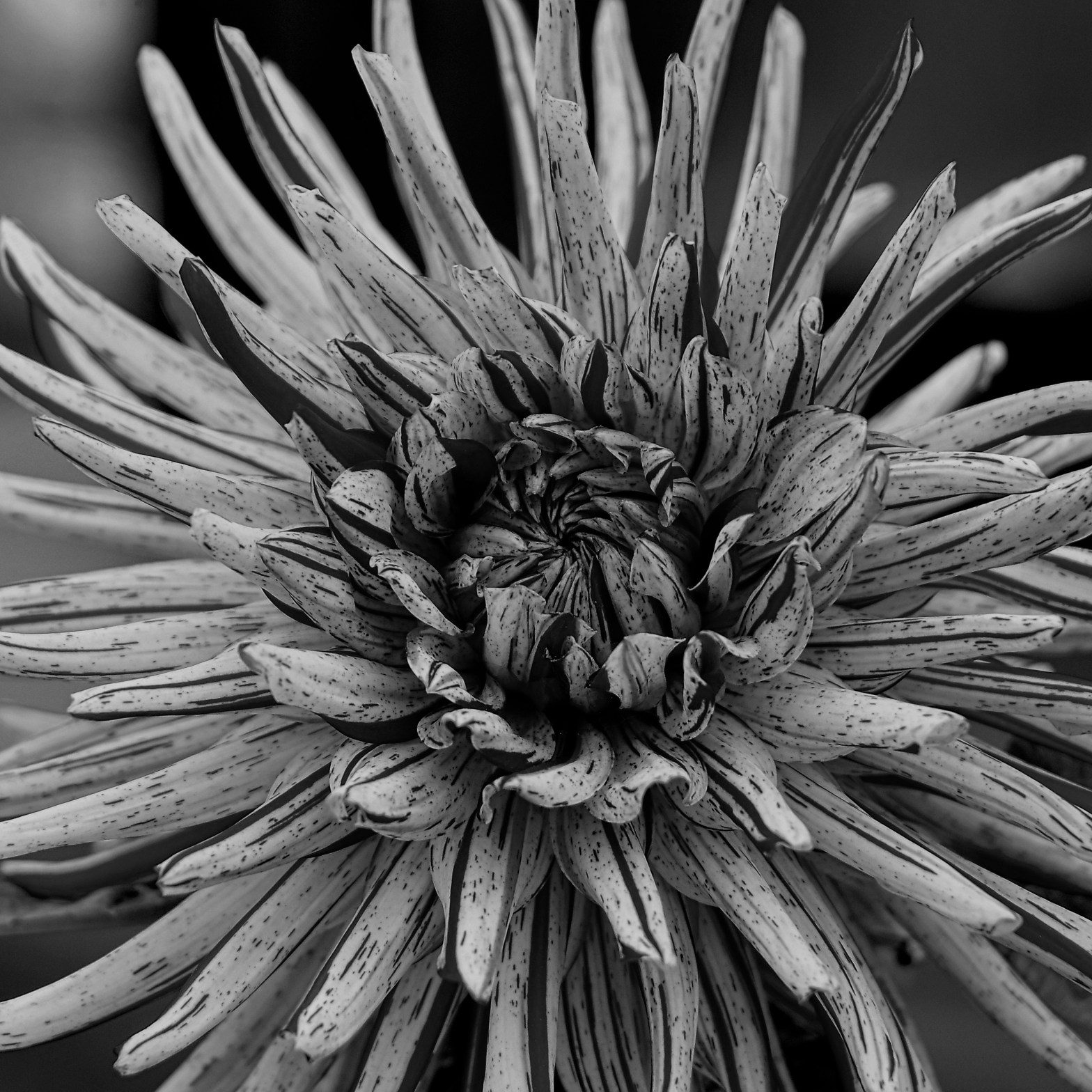
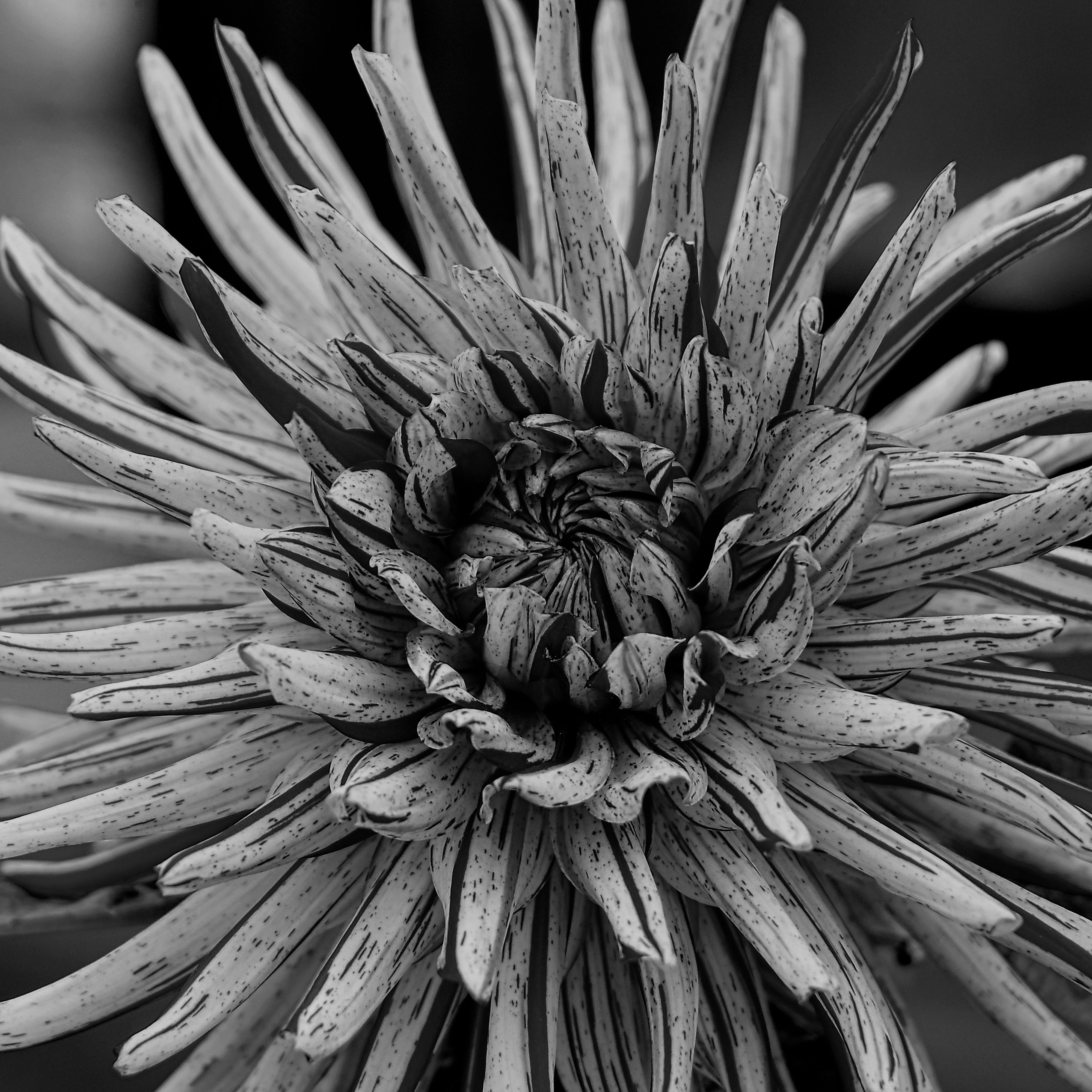
This dahlia was a soft pink with darker red/burgundy streaks

Are there any naturally occurring shadows in or around my subject?

The early morning sun cast some interesting shadows across these stairs

Does the lighting in my shot create a feeling of depth or texture?

This field of spruce trees gradually disappeared into the morning fog

So now that you’re thinking in black and white, your challenge this week, should you choose to accept it, is to get out there and create not just an accidental, but a very intentional black & white image.

2022 Week 5: Smaller Aperture

2022 Weekly Photo Challenge

Week 5: Smaller Aperture

Welcome to a new year of weekly photography challenges! For the month of January, our first few weekly challenges will focus on somewhat more technical aspects of controlling your camera.

Last week’s challenge dealt with keeping your camera’s aperture as wide open as possible, letting in more light and yielding a shallower depth of field. This week, your assignment, should you choose to accept it, is to swing the pendulum the other direction to use a maximum aperture of f/8, preferably f/10 or smaller.

If a wider aperture lets more light into the camera, then you can probably guess what happens when you tighten up the aperture…less light and potentially darker images. This can be particularly useful when shooting extremely bright subjects, such as the sunrise in the first sample image. In this case, the small aperture, fast shutter speed, and low ISO sensitivity all combine to keep most of the sunrise from “blowing out” the sky, and at the same time keeping the foreground objects as darker silhouettes.

f/13, 1/200s, ISO100

And just as with the wider end of the aperture spectrum, using a smaller aperture can have a significant effect on your image’s depth of field. Generally speaking, the smaller your aperture, the greater depth of field you will find in your images. This is commonly used in landscape photography:

f/10, 1/250s, ISO100
f/10, 1/400s, ISO200
f/10, 1/25s, ISO1600

2022 Week 4: Wide Open Aperture

2022 Weekly Photo Challenge

Week 4: Wide Open Aperture

Welcome to a new year of weekly photography challenges! For the month of January, our first few weekly challenges will focus on somewhat more technical aspects of controlling your camera.

For the last two weeks, we’ve looked at your camera’s shutter speed, experimenting with what’s possible when either slowing down or speeding up the shutter. Next, we’re going to start working with another side of the traditional exposure triangle, aperture. Aperture refers to the size of the opening that lets light into the camera whenever the shutter is open. It’s indicated in most cameras by a funky fraction with the letter f over a number, such as f/8, f/3.5, or f/2. Your camera and the lens it uses will determine which “f-stops” are available for you to choose from. The main thing to remember when thinking about aperture is the smaller the f-stop number, the wider the opening into your camera.

This week, we’re going to pay special attention to the smaller numbers in your aperture/f-stop scale, or aperture settings of f/4.5, f/4, f/3.5, or f/2. This means you’ll be using as wide-open an aperture as possible.

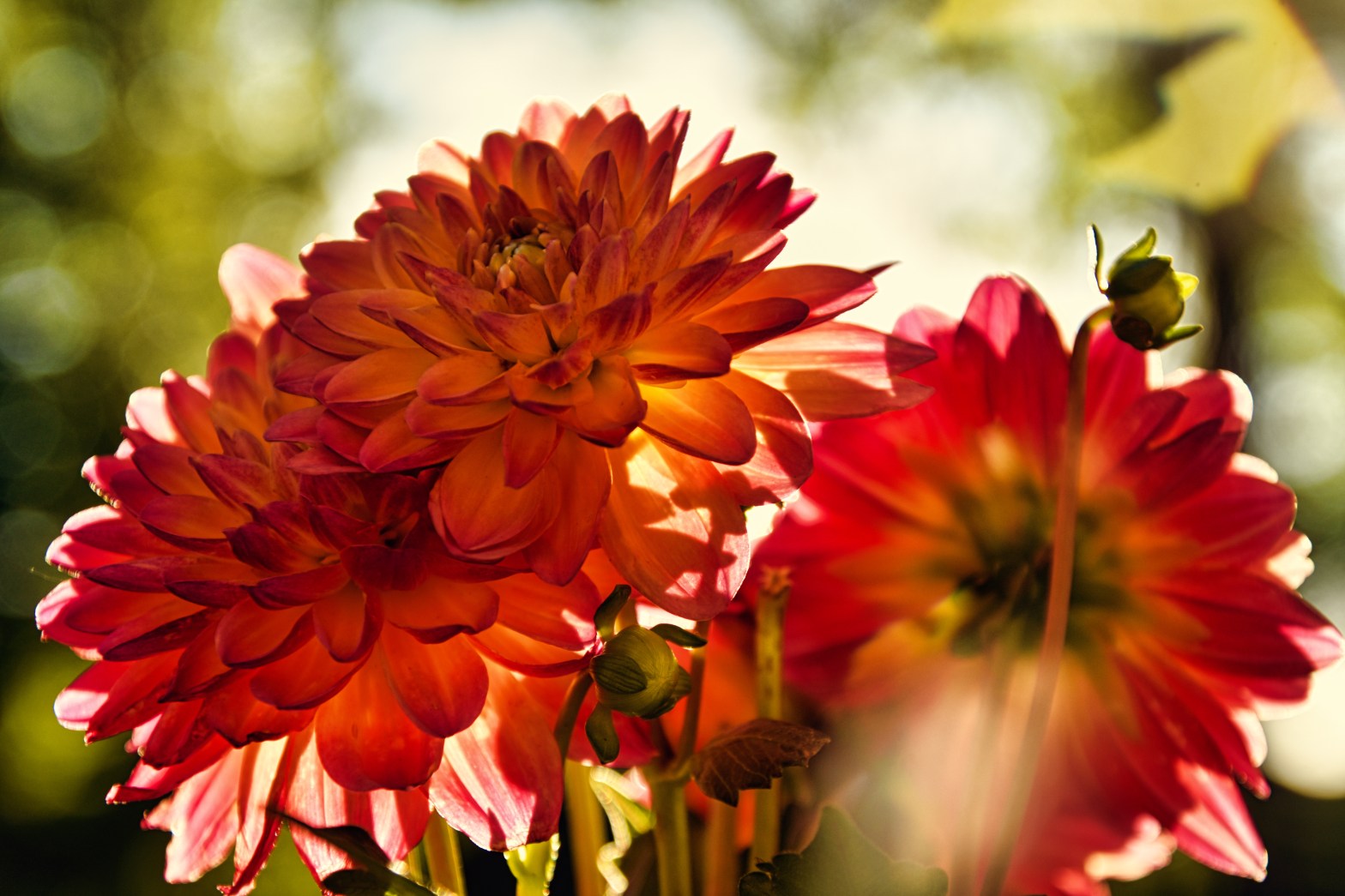
Dahlias in Morning Sunlight
55mm focal length, ISO 100, and f/4.5 aperture

When you use a wide aperture, two things happen. First, the wider opening lets in more light to expose your images. This means a wide aperture can be useful for managing exposure in low-light settings, or perhaps when you want to create an overall brighter image. (but be careful, it’s easy to cross the line from “brighter” to simply “over-exposed” if you don’t keep shutter speed and ISO in mind at the same time!)

Each image in the collage above was captured at f/4.5, with a 1/80 sec. shutter speed and ISO 200, completely blowing out the background behind the subjects.

The second thing that happens with a wide aperture is that your depth of field, or depth of focus, shrinks. This means the area or range in front of your lens where objects will appear sharp & in focus narrows, creating the opportunity for more out-of-focus blur in your image. At first this might sound like a bad thing, but it can actually be a very useful tool in your photography arsenal.

In the first sample image this week, you can see the an example of “bokeh,” the intentionally out-of-focus effect that a wide aperture can create in your images. This is particularly common in portrait photography.

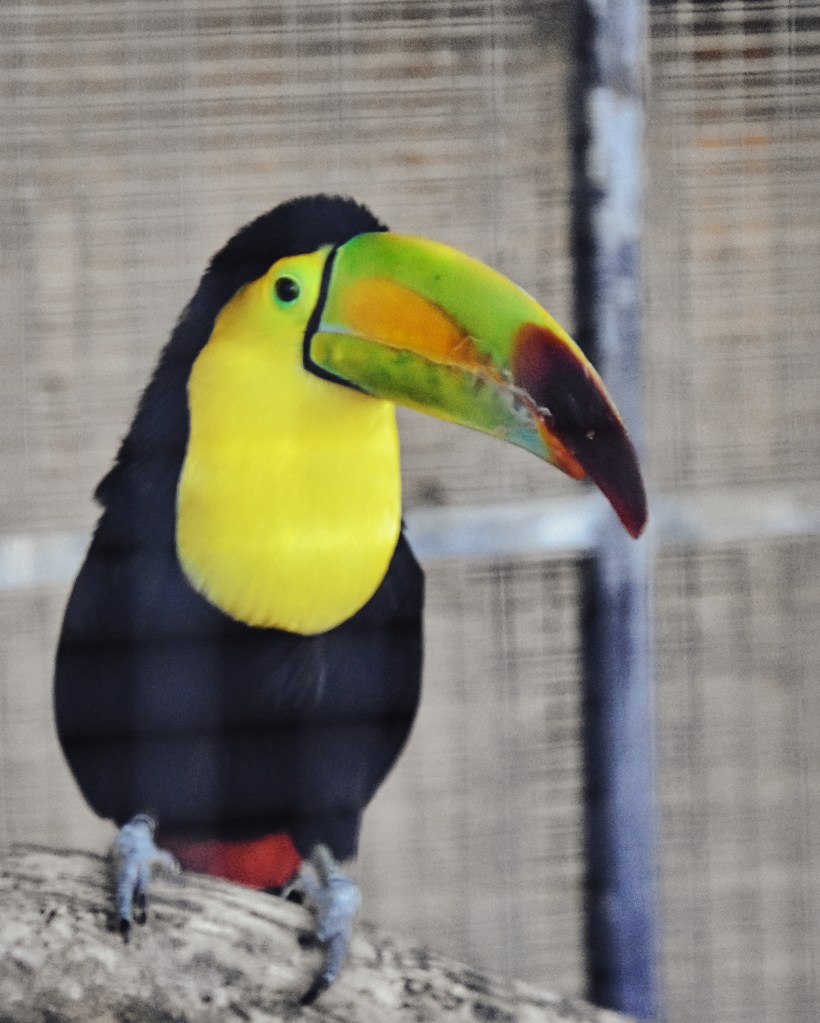
At the other end of the focus range, a shallow depth of field putting some image elements out of focus can be helpful in other ways. Have you ever tried taking pictures of animals at the zoo? The cages and glass windows can make it a frustrating task, to say the least. In this week’s final sample image, you can clearly see the bird was in a cage, but with careful focusing (on the bird) and a relatively shallow depth of field (achieved with a modest f/5.6 aperture) the cage wires in front of the bird almost start to disappear!

Zoomed in to 145mm, the widest aperture my lens would allow was f/5.6…but paired with manual focus, it was enough!

2022 Week 3: Fast Shutter Speed

2022 Weekly Photo Challenge

Week 3: Fast Shutter Speed

Welcome to a new year of weekly photography challenges! For the month of January, our first few weekly challenges will focus on somewhat more technical aspects of controlling your camera.

Last week’s challenge was all about slowing things down, using slower shutter speeds to experiment with long exposure photography. Your assignment this week, should you choose to accept it, is to swing the pendulum all the way the other direction and work with super fast shutter speeds.

With long exposure photography, the goal was to use a shutter speed slower than 1/30 of a second. This time around you’ll want to look at the other end of the spectrum, using a minimum shutter speed of 1/800, preferably 1/1000 or faster!

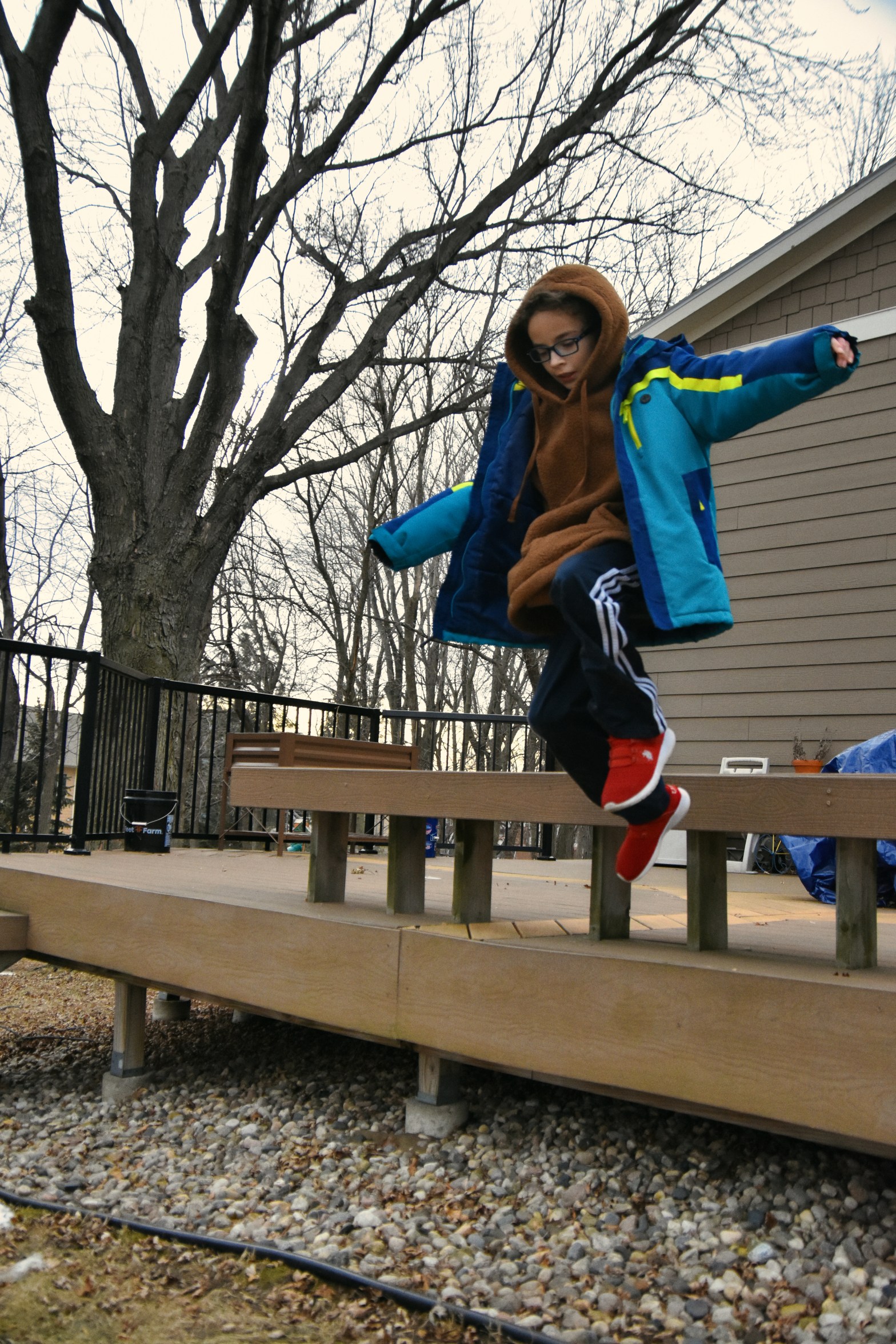
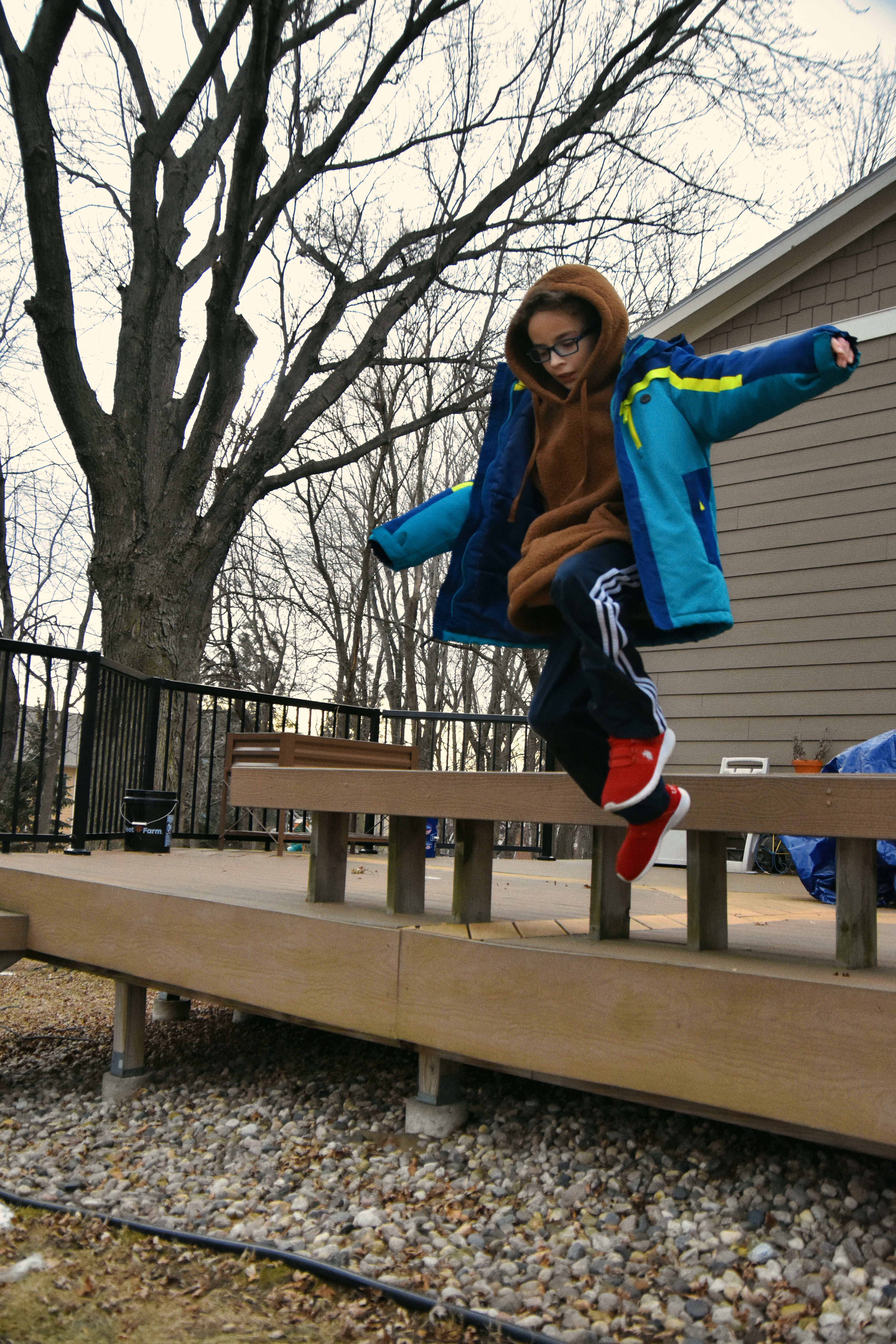
So what can you do with a super fast shutter speed? The most common use is to freeze motion:

Chilly Winter Leap
1/1250s, f/3.5, ISO1600

Keep in mind when using a super-fast shutter speed that you’ll be severely limiting the amount of light your camera can capture. This means to produce a normally-exposed image, you’ll need to flex the other two sides of the exposure triangle, aperture and ISO sensitivity. In the sample image, the 1/1250 sec. shutter speed was offset by using a wide-open aperture at f/3.5, and a slightly higher ISO at 1600.

Of course, if you wanted to freeze motion in a darker, more somber image, you could tighten the aperture and/or keep the ISO lower, too. Your assignment this week, if you choose to accept it, is to think about what kind of fast-shutter-speed image you want to create & then get out there to make it happen!

2022 Week 2: Slow Shutter Speed

2022 Weekly Photo Challenge

Week 2: Slow Shutter Speed

Welcome to a new year of weekly photography challenges! For the month of January, our first few weekly challenges will focus on somewhat more technical aspects of controlling your camera.

This week, the focus is on creating images using a slower than normal shutter speed, a.k.a. “long exposure.”

To begin, we should probably define what is a long exposure time? As with many terms in photography, the answer is, it depends. If you’re trying to freeze the motion of a hummingbird’s wings in flight, any shutter speed slower than 1/2000 of a second is going to be too long. And if you’re out late at night trying to capture a starry sky, even 10 seconds usually isn’t long enough. But those are extreme cases. Usually, a slow shutter speed would be anything that would allow minor hand shaking to introduce motion blur into your images, so shutter speeds slower than 1/30 of a second; anything below 1/30 sec. and you’ll probably need a tripod or a sturdy surface to keep your camera still.

So now let’s talk about why you’d want to take photos with a slow shutter speed anyway.

Christmas Tree at Night – 1sec., f/3.5, ISO 200

In many normal shooting situations, a longer exposure might result in an over-exposed image. On the other hand, if you’re shooting in a very low-light setting, such as a dark room lit only by a Christmas tree, a longer exposure might be exactly what you need to capture enough light to see your subject clearly.

Always remember that your shutter speed is only one part of the magic exposure triangle. When you leave the shutter open longer, you’ll also need to decide what to do with your aperture and ISO settings.

But what about using a longer exposure in a well-lit setting? What purpose could that serve? Remember that your camera captures light during the entire exposure, so an object in motion will reflect its light back to you from every position it occupies while the shutter is open. This introduces the effect known as “motion blur.” In many shooting settings, motion blur is the last thing you want in your images, but it can also be interesting to experiment with, as in this sample image of our husky puppy at play.

Husky at Play – 0.8 sec., f/6.3. ISO 280

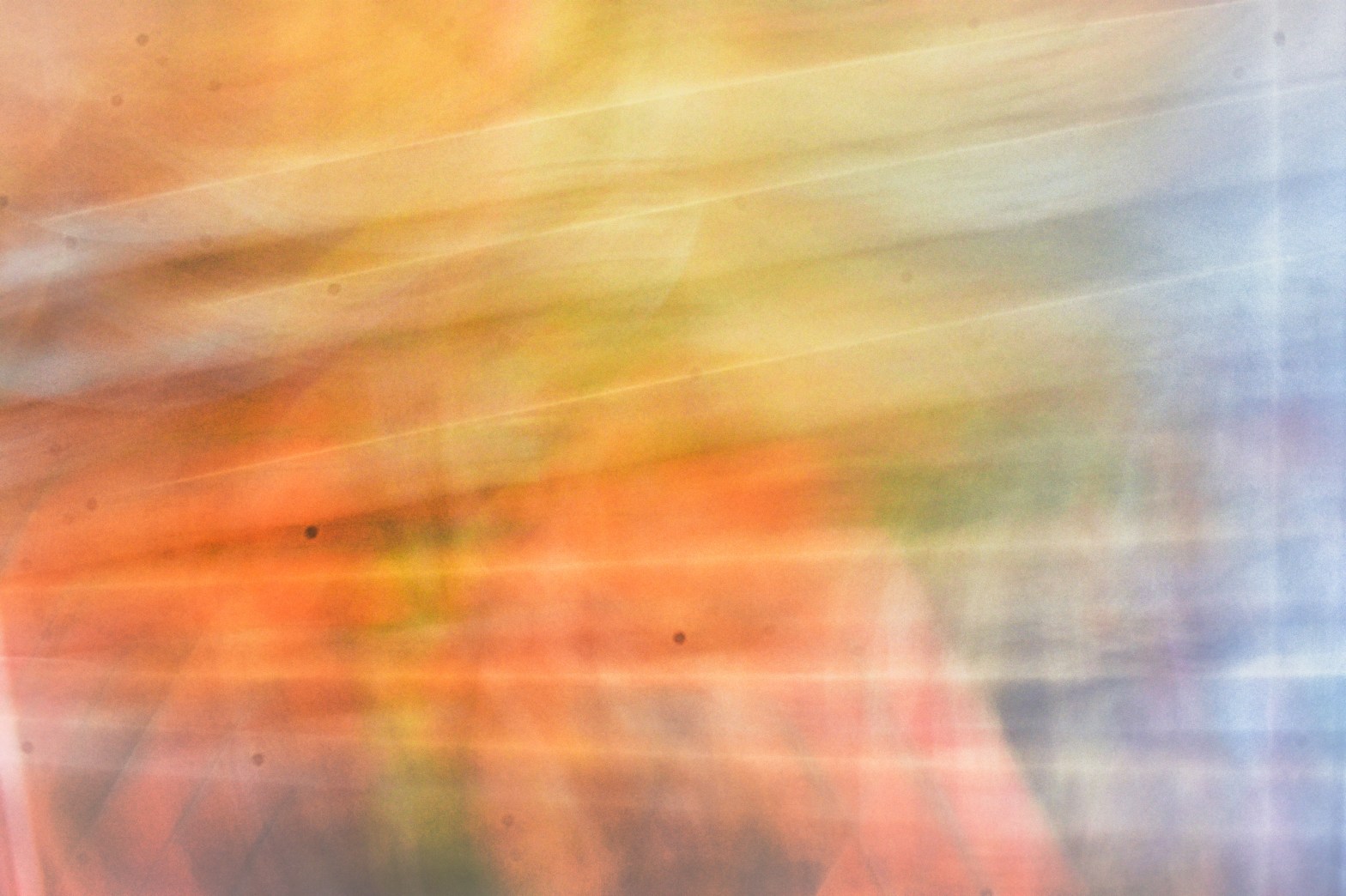
Another use of slow shutter speed and motion blur is an effect called Intentional Camera Movement, or “ICM.” Intentional camera movement is exactly what it sounds like, combining a longer exposure time with intentional movement of the camera. ICM can be used to create a sense of motion in an otherwise still image, or as shown in the image below, to create a more abstract composition.

Intentional Camera Abstract – 3 sec., f/22, ISO 320

What kind of images will you create with long-exposure photography this week? Your assignment, should you choose to accept it, is to get out there and find out.

2022 Week 1: New Year’s Resolutions

2022 Weekly Photo Challenge

Week 1: New Year’s Resolutions

Welcome to a new year of weekly photography challenges!

With each new year comes a new chance to reflect, to re-focus, to set new goals, and to explore new directions—both personally and as a photographer. “New year, new you,” as they say. I hope you’re taking some time these days to reflect on what you hope to accomplish in 2022.

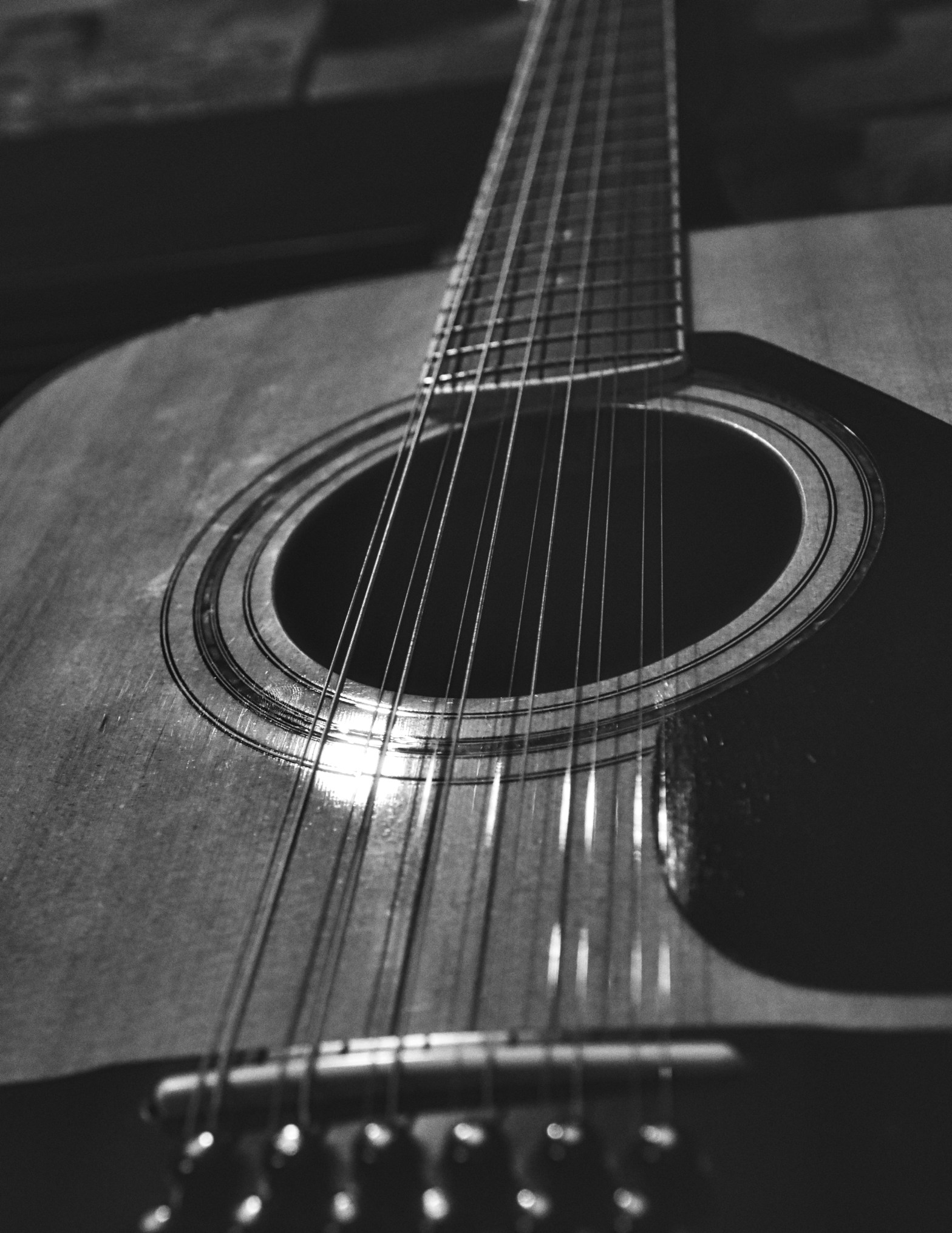
12-String Acoustic…Ready & Waiting

On a personal note, my resolutions going into the new year are all about intentionality, about setting goals and pursuing them with focus. One of those goals is to learn to play the guitar; my father recently gave me his old Yamaha 12-string acoustic guitar, and when I picked it up three months ago I didn’t have a clue what I was doing. I now have a handful of chords under my belt, but I don’t think that really qualifies as having a clue. My goal is to learn & be able to play a recognizable song by the beginning of summer…preferably without a lot of snickering & eye-rolling from the people around me.

The image above also aligns to one of my photography goals for the year, that being to focus very intentionally on black & white photography by creating at least one portfolio-quality black & white image per week for the next 52 weeks. (I’m going to cut myself a little slack on this one and add “on average” to that, so I don’t lock myself into anything too crazy & rigorous!)

So what are your resolutions for the new year? Your assignment this week, should you choose to accept it, is to create an image that captures the essence or tells the story of one of your new year’s resolutions.

2021 Week 8: Joy

2021 Weekly Photo Challenge

Week 8: Joy

Your assignment this week, should you choose to accept it, is to create an image based on the word “joy.”

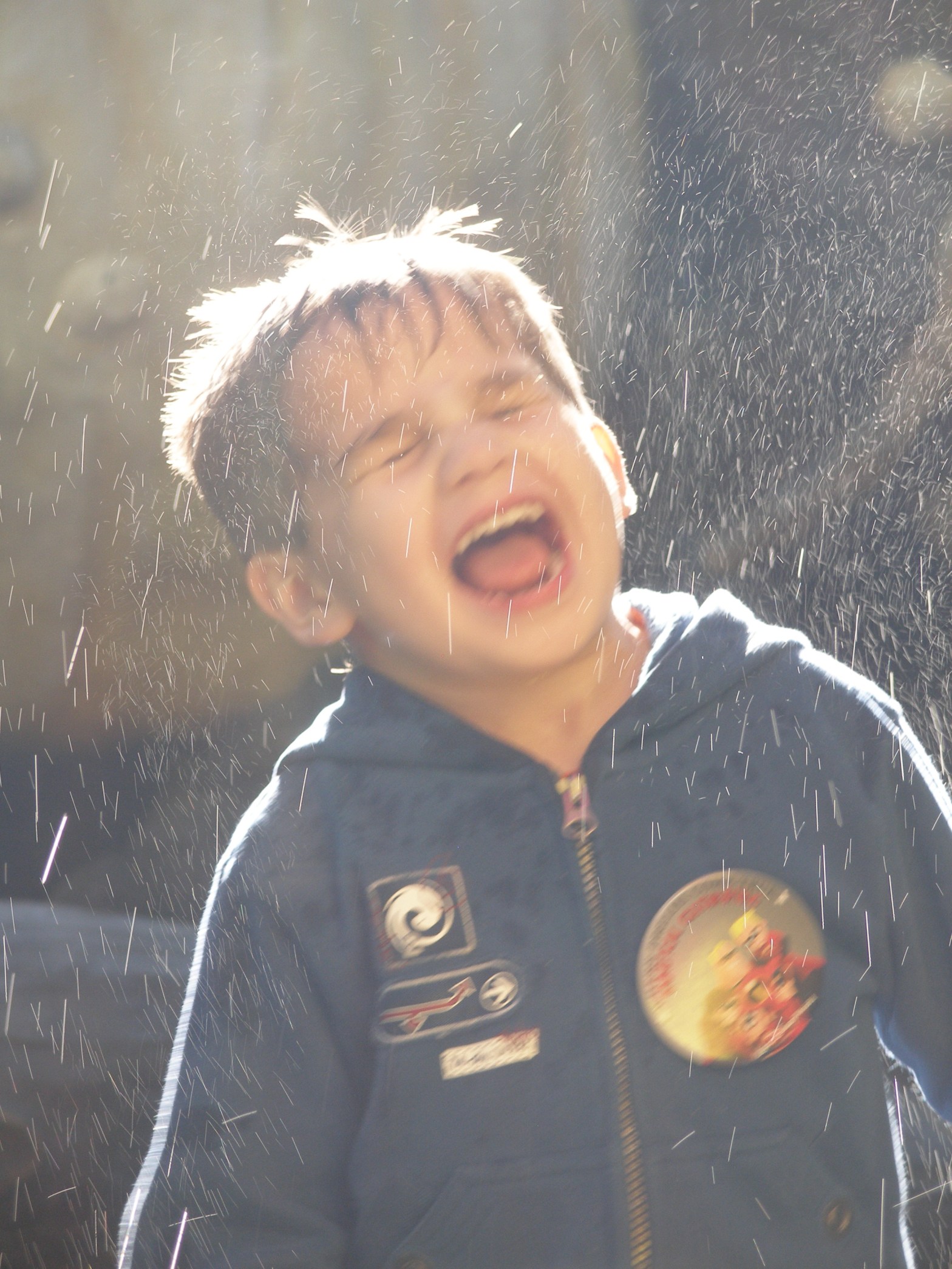
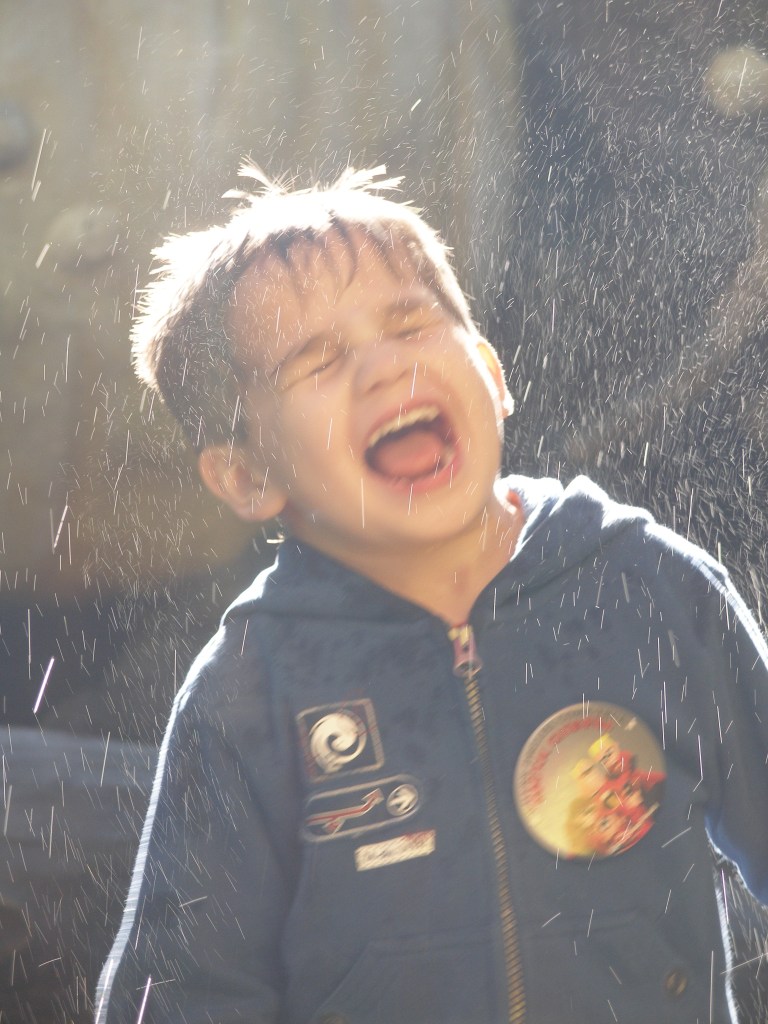
Sheer Joy

Christmas comes at a difficult time of year for many people. While we celebrate “the holidays” with parties, get-togethers, fancy dinners, and more baked goods than any of us care to admit, there are also reminders of fractured families, separated friends, and the people we’ve lost. For many, the approach of the new year is anything but a joyous time.

But as a photographer, you have the opportunity to remind the people around you of the possibility of joy, in the dark of winter as much as other times.

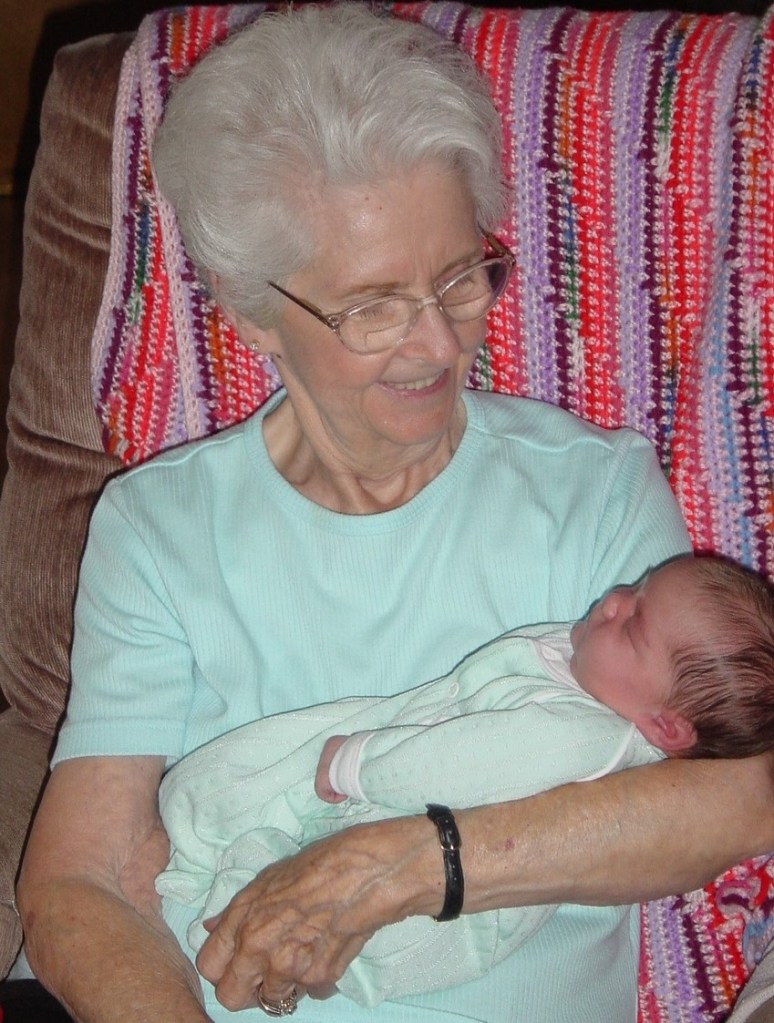
A baby is God’s way of saying the world should go on
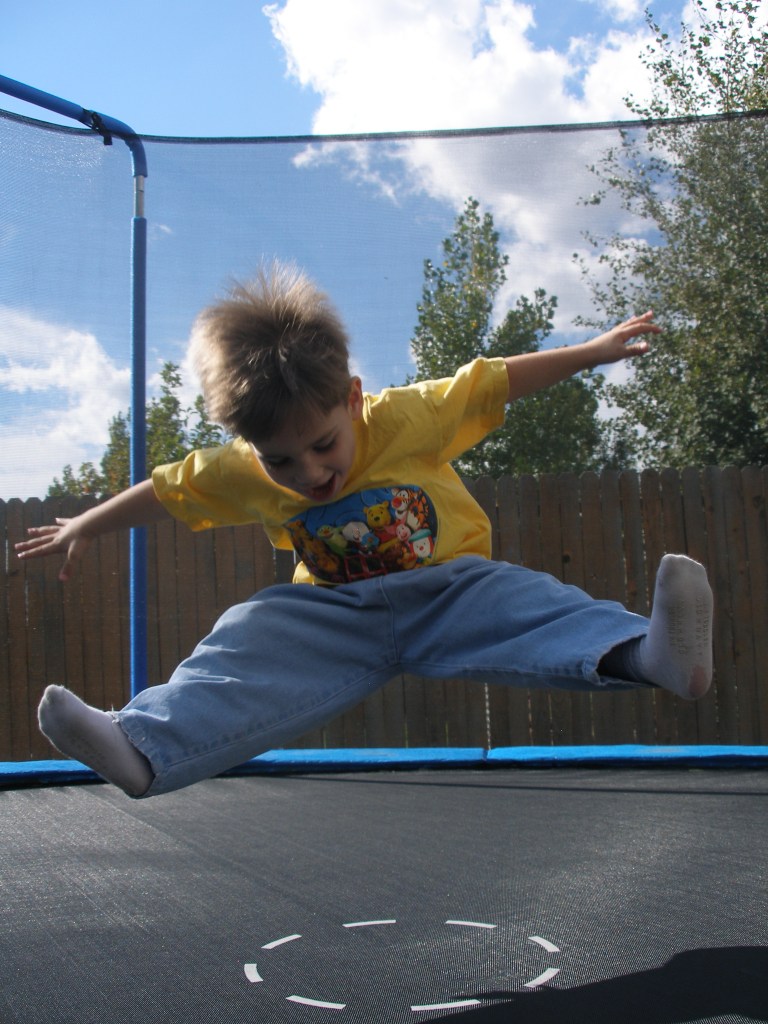
Jump for Joy!

2021 Week 7: Hope

2021 Weekly Photo Challenge

Week 7: Hope

Your assignment this week, should you choose to accept it, is to create an image based on the word “hope.”

We are in the third week of December, and for many people this time of year marks the season of Advent, a time of preparation, expectancy, and hope. People of other faiths don’t necessarily observe Advent or even Christmas, but as the days grow darker and colder, thoughts of the new year and the hope that it may bring something new, something better, seem to grow for all.

So that’s why this week’s challenge is to create an image of hope. Think about what kind of image you could create that might inspire hope for your viewers, or for yourself.

Hope for a New Day
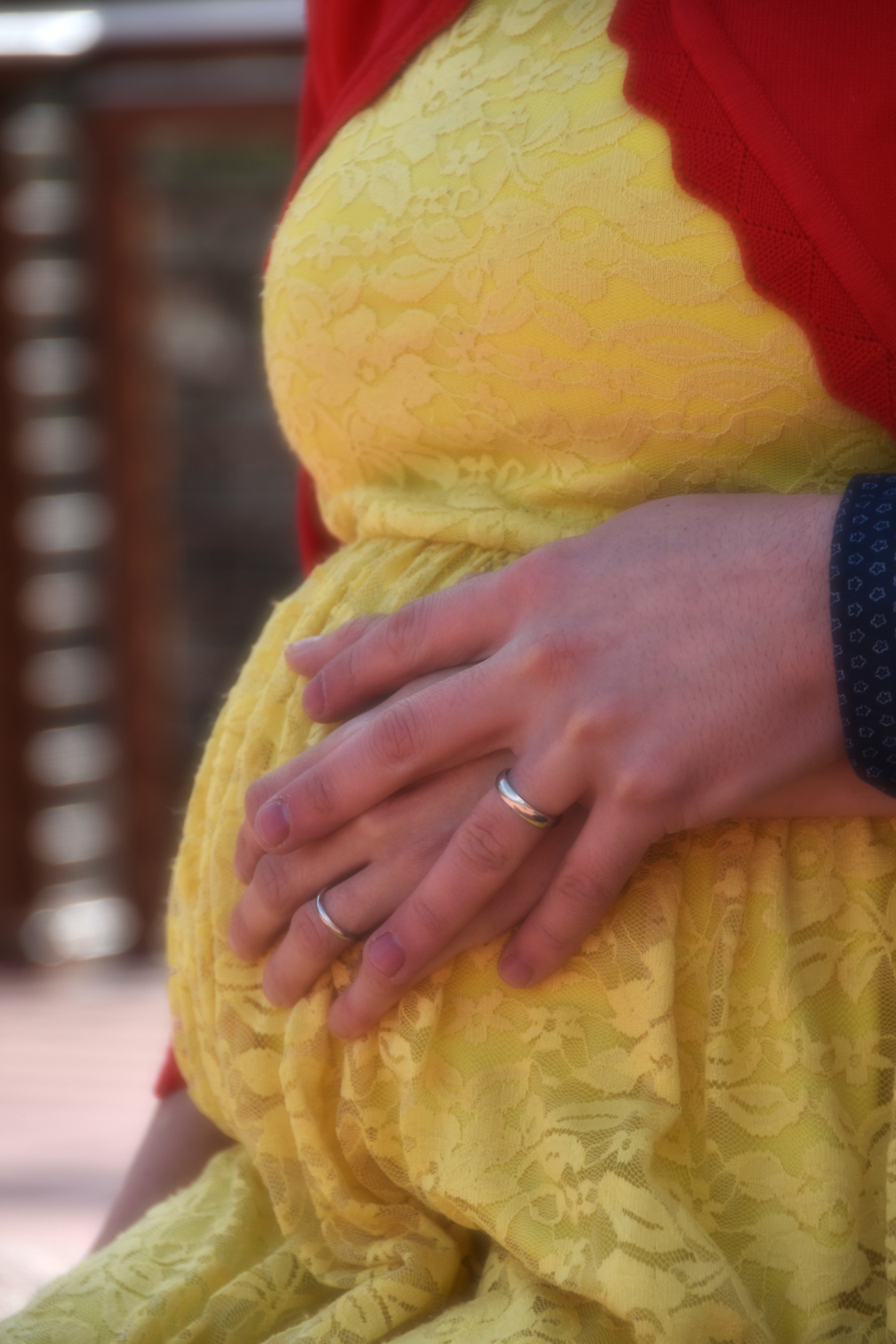
The Hope of Expectant Parents
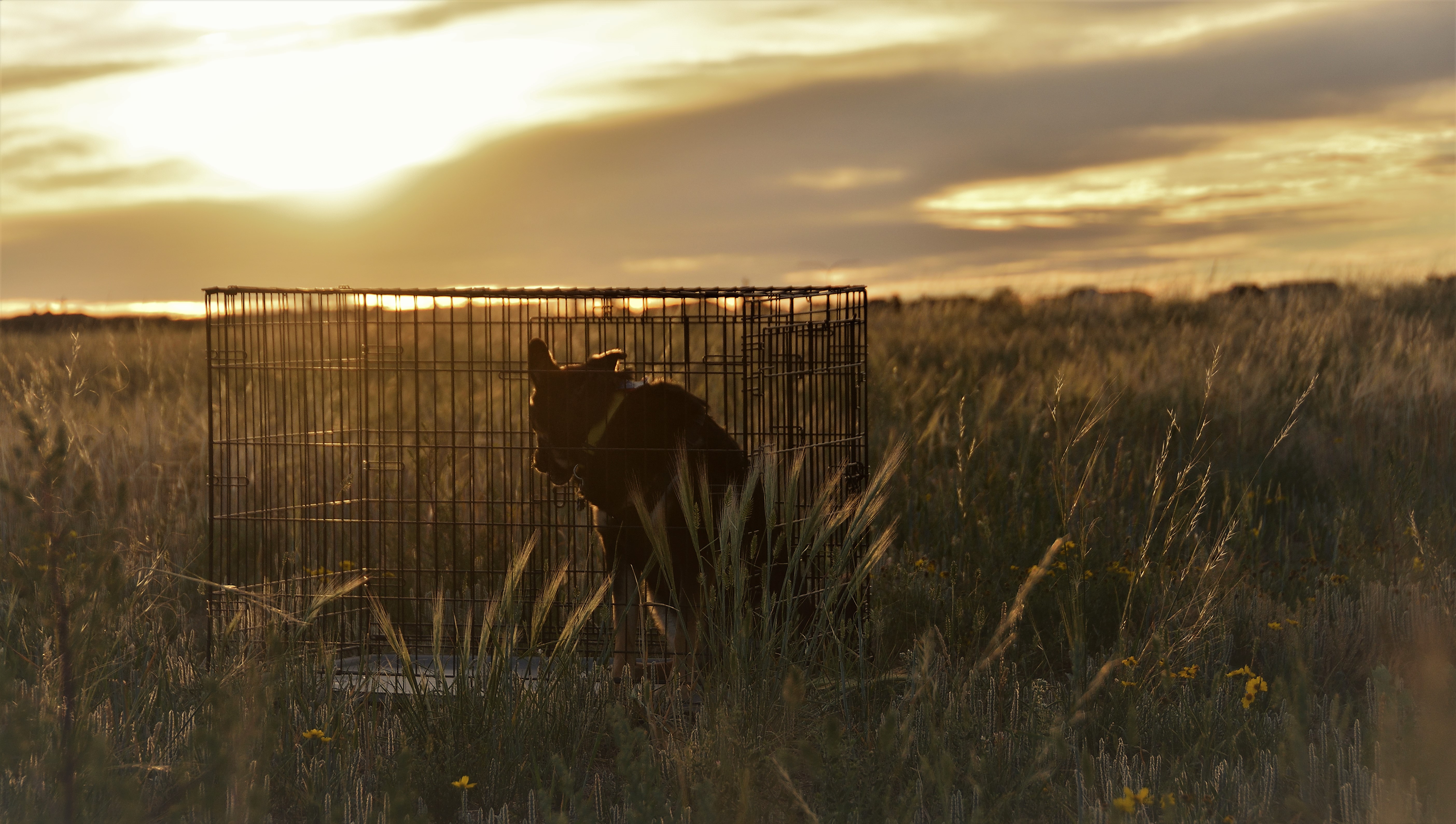
Not All Cages Have Walls

Of course, not everyone is filled with thoughts of hope and happiness this time of year. If you’re among this group, please know that’s okay. You don’t need to force an image of hopefulness if you’re just not feeling it. But please, if you’re feeling this way, do reach out to someone—a family member, friend, clergy, or even me—to talk about it. Know that you’re not alone, and the days will get brighter eventually.